Food Prices Are Rising Again. What It Means in Your 20s
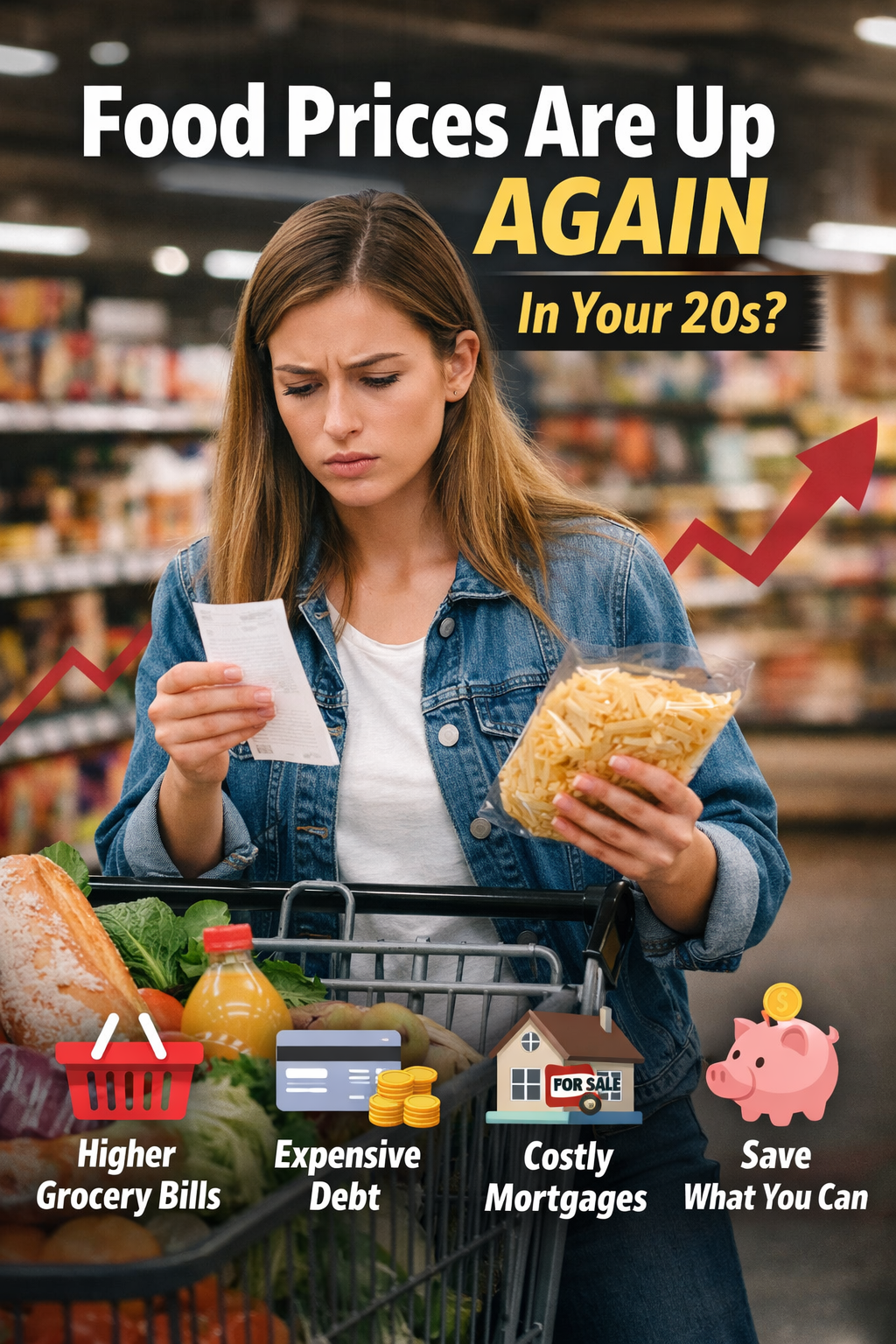
What just happened
Shop price inflation in the UK has climbed to its highest level in almost two years, with food doing a lot of the damage. Your supermarket shop is quietly getting more expensive again.
Why you should care
The cost of living squeeze is not done. When prices stay high, interest rates are less likely to fall quickly. That keeps borrowing expensive and slows financial breathing room across the economy.
How this actually hits you
Your food budget stretches less
If you are a student or early in your career, a big share of your money goes on essentials. Even small price increases cut into what you have left.
Debt stays painful
Credit cards, overdrafts and buy now pay later balances cost more when rates stay higher.
Buying your first place stays tough
Mortgage rates follow the interest rate outlook. Slower cuts mean affordability does not improve much yet.
Pay rises do not feel like progress
You might earn more on paper, but higher daily costs eat the difference.
Saving still matters
The upside is savings rates stay better than they used to be, so cash in the right account can work for you.
What to do this week
Check one week of food spending properly. The total is usually higher than you think.
Move spare cash to a strong savings account, not a basic current account.
Avoid adding new lifestyle debt. This is an expensive time to borrow.
Keep fixed costs predictable where you can.
Bottom line
When supermarket prices rise, your margin shrinks. That margin is the gap between surviving and actually getting ahead. Smaller margin means saving, investing and moving forward all get harder.
This is everyday life money, not abstract economics.
